领学术科研之先,创食品科技之新
—— 中国食品杂志社

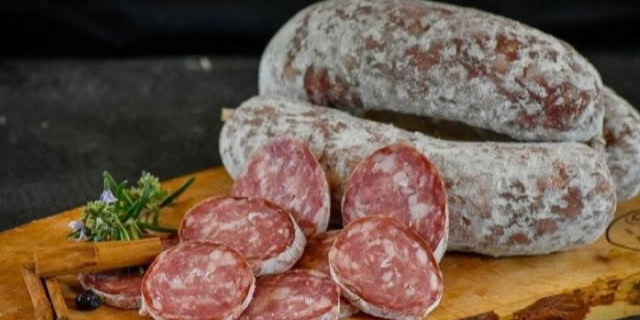
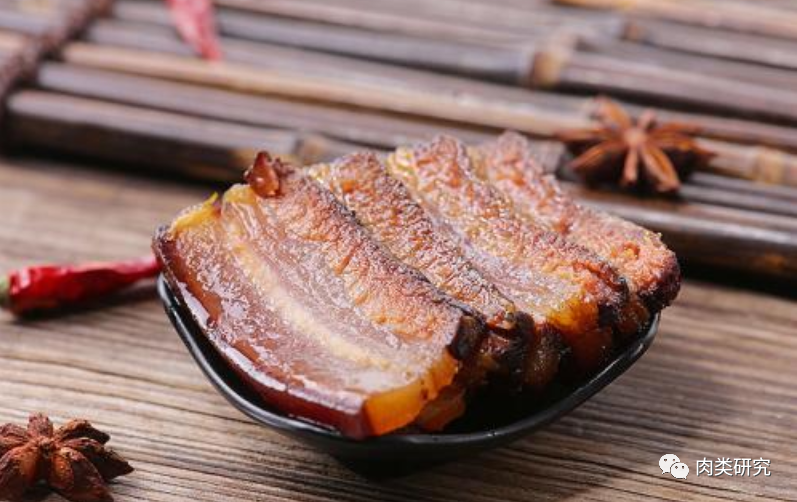
Beeswax-structured oleogels and bigels represent an innovative strategy to improve the lipid profile of meat products by replacing animal fat with oils rich in polyunsaturated fatty acids. This review integrates the most recent findings and describes how the composition and functionality of beeswax-structured systems determine their ability to substitute animal fat and their impact on the nutritional, technological, and sensory quality of meat products. From a nutritional standpoint, these systems reduce saturated fatty acids and cholesterol while increasing n-3 fatty acids such as α-linolenic acid, eicosapentaenoic acid, and docosahexaenoic acid. From a technological perspective, they enhance water-holding capacity and influence color and texture parameters. Fat replacement levels of up to 50% (m/m) maintain acceptability comparable to control products; however, higher levels may negatively affect aroma and flavor. Despite these improvements, oxidative stability remains the main limitation. The incorporation of natural antioxidants and functional compounds, as well as the exploration of alternative waxes derived from native bees—whose bioactive potential remains unexplored—could improve the performance of these systems. Future research should focus on optimizing sensory acceptance and gaining a deeper understanding of the structural and molecular mechanisms determining texture and lipid and protein oxidation during storage. Overall, beeswax-structured lipid systems offer a sustainable and healthy solution for the development of functional meat products.
 电话: 010-87293157
 地址: 北京市丰台区洋桥70号
版权所有 @ 2023 中国食品杂志社 京公网安备11010602060050号 京ICP备14033398号-2