领学术科研之先,创食品科技之新
—— 中国食品杂志社

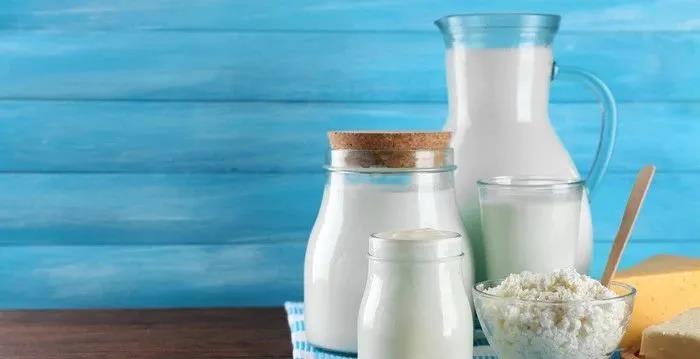
It has been suggested that immune senescence contributes to the aging of solid organs and that blocking immune senescence can alleviate the aging of organs. Aging is a systemic physiological change. It is currently difficult to achieve the goal of long-term delaying aging through drugs. Improving immunity and delaying aging through probiotics is a feasible research direction. Here, we first screened for a strain of Lactobacillus kefiri Fanghua (L. kefiri-FH) derived from Tibetan kefir and confirmed its function in restoring immunosuppression. Spleen weight, thymus weight, and whole blood cells were restored. The expression of programmed cell death-ligand 1 (PD-1), P16ink4a, and senescence-associated secretory phenotype (SASP)-related genes in the spleen and thymus was decreased. Second, we further confirmed the phenotype of L. kefiri-FH in improving solid organ function in 16-month-old mice as well as prolonging the lifespan of Caenorhabditis elegans. Mechanistically, whole genome sequencing and metabolomic analysis indicated that L. kefiri-FH contained three genes related to bile acid metabolism and increased lithocholic acid (LCA) in the intestine. We also confirmed that LCA increased G-protein-coupled bile acid receptor (Gpbar5 or TGR5) gene expression in dendritic cells (DCs) and inhibited the induction of T helper (Th) 1 and Th17 cells. Overall, our findings establish a causal relationship between the intestinal microenvironment, immune senescence, and solid organ aging, suggesting a way to regulate the intestinal microenvironment through diet, which thereby improves immune senescence and subsequently reduces solid organ aging.
 电话: 010-87293157
 地址: 北京市丰台区洋桥70号
版权所有 @ 2023 中国食品杂志社 京公网安备11010602060050号 京ICP备14033398号-2